
Somatic embryogenesis is one of the most fascinating and powerful techniques in plant tissue culture. It represents a process by which somatic (non-reproductive) plant cells are induced to form embryos that can eventually regenerate into complete, genetically identical plants. This phenomenon is crucial for clonal propagation, allowing the mass production of plants with desirable traits such as disease resistance, drought tolerance, or superior crop yield.
In this comprehensive guide, we will explore the underlying mechanisms of somatic embryogenesis, its various stages, the factors that influence its efficiency, and its applications in plant biotechnology. We’ll also discuss the technical aspects of inducing somatic embryogenesis in vitro and how it is used for large-scale plant production and genetic transformation.
What is Somatic Embryogenesis?
Somatic embryogenesis is the process by which a single somatic cell or a group of somatic cells undergo dedifferentiation and subsequently re-differentiate into an embryo. Unlike sexual reproduction, which involves the fusion of gametes to produce a zygote, somatic embryogenesis arises from vegetative tissues, making it a form of asexual reproduction. The resulting embryos are genetically identical to the donor plant, which is why somatic embryogenesis is widely used for clonal propagation.
Somatic embryos resemble zygotic embryos in terms of morphology and developmental stages, such as globular, heart-shaped, and torpedo stages. However, the key difference lies in their origin; somatic embryos do not arise from fertilized eggs but from somatic tissues such as leaves, stems, or even roots.

Stages of Somatic Embryogenesis
Somatic embryogenesis typically proceeds through a series of well-defined stages, each requiring specific conditions for optimal development:
Induction of Embryogenic Callus
The first step involves the induction of embryogenic callus from the explant tissue. This is often achieved by exposing the plant material to a growth medium rich in auxins, such as 2,4-Dichlorophenoxyacetic acid (2,4-D) or naphthaleneacetic acid (NAA). Auxins play a key role in promoting the dedifferentiation of somatic cells, which then form a mass of undifferentiated cells known as callus. Not all callus cells are capable of becoming embryos; only those that are embryogenic will proceed to the next stage.
Development of Somatic Embryos
Once the embryogenic callus is established, the concentration of auxins in the medium is usually reduced, and other growth regulators such as cytokinins are added. This promotes the re-differentiation of the embryogenic cells into somatic embryos. These embryos go through various stages of development:
- Globular Stage: The initial stage where the somatic cells organize into a spherical structure.
- Heart Stage: As the somatic embryo continues to develop, it elongates and forms a heart-shaped structure, indicating the early stages of organogenesis.
- Torpedo Stage: The somatic embryo further elongates, resembling a torpedo. At this stage, the basic organs such as the shoot meristem, root meristem, and cotyledons begin to form.
Maturation of Somatic Embryos
During the maturation stage, the somatic embryos undergo significant physiological changes to prepare for germination. The maturation medium often contains elevated levels of abscisic acid (ABA), which helps induce the accumulation of storage compounds and the acquisition of desiccation tolerance. This stage is crucial for ensuring the successful germination of the embryos into fully functional plants.
Germination and Plantlet Formation
Once the somatic embryos have matured, they are transferred to a germination medium, where they develop into plantlets. This medium typically contains low levels of auxins and cytokinins to support the growth of shoots and roots. The plantlets are then acclimatized to soil conditions before being transferred to the field or greenhouse.
Factors Influencing Somatic Embryogenesis
Several factors influence the efficiency of somatic embryogenesis, from the choice of explant to the composition of the growth medium and environmental conditions. Optimizing these factors is crucial for maximizing the success rate of somatic embryogenesis.
Explant Source
The type of plant tissue used as the explant is one of the most important factors in somatic embryogenesis. Different tissues have varying capacities to undergo dedifferentiation and form embryogenic callus. Commonly used explants include:
- Immature zygotic embryos
- Leaf discs
- Stem segments
- Root tips
Immature tissues, such as young leaves or embryos, tend to be more responsive to somatic embryogenesis than mature tissues. This is because younger tissues contain more actively dividing cells, which are more likely to dedifferentiate into embryogenic callus.
Plant Growth Regulators
The balance of auxins and cytokinins in the growth medium plays a critical role in inducing somatic embryogenesis. High concentrations of auxins, particularly 2,4-D, are often used to induce the formation of embryogenic callus, while cytokinins like 6-Benzylaminopurine (BAP) are used to promote the development of somatic embryos. The precise ratio of auxins to cytokinins can vary depending on the plant species and the explant type.

Culture Medium Composition
The composition of the basal culture medium also affects the efficiency of somatic embryogenesis. The most commonly used medium is Murashige and Skoog (MS) medium, which provides the essential macronutrients, micronutrients, vitamins, and carbohydrates required for plant growth. However, other media such as Gamborg’s B5 or Linsmaier and Skoog (LS) medium may be more suitable for specific plant species. The addition of carbohydrates like sucrose serves as an energy source for the developing embryos.
Environmental Conditions
Somatic embryogenesis is highly sensitive to environmental factors such as light, temperature, and humidity. Most somatic embryos develop optimally under dark conditions during the early stages, as light can inhibit callus formation. Once the embryos have matured, they can be exposed to light to stimulate germination. Temperatures around 22-26°C are generally optimal for embryogenic cultures.
Genotype of the Donor Plant
The genetic makeup of the donor plant can significantly influence its ability to undergo somatic embryogenesis. Some plant species or genotypes are more recalcitrant and require more complex protocols to induce somatic embryos. In contrast, other genotypes readily form embryos under standard conditions. This variation is largely due to differences in cellular totipotency—the ability of a single cell to develop into an entire organism.

Applications of Somatic Embryogenesis
Somatic embryogenesis has a wide range of applications in plant biotechnology, from clonal propagation to genetic engineering and conservation of endangered species.
Clonal Propagation
Somatic embryogenesis is a highly efficient method for clonal propagation, particularly in woody species like pine, eucalyptus, and oil palm. It allows for the mass production of genetically identical plants, ensuring uniformity in traits such as growth rate, disease resistance, and yield. This is especially valuable in commercial forestry and horticulture, where consistent quality is critical.
Genetic Transformation
Somatic embryogenesis is commonly used in genetic engineering to regenerate transgenic plants. In this process, somatic embryos are transformed with foreign genes using techniques like Agrobacterium-mediated transformation or biolistics (gene gun). The transformed embryos are then grown into transgenic plants, which can be tested for the expression of the desired trait.
Cryopreservation of Germplasm
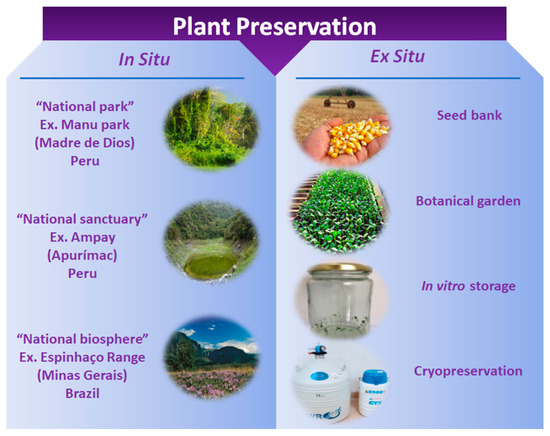
Somatic embryos can be stored long-term using cryopreservation techniques. This involves freezing the embryos in liquid nitrogen at -196°C, where they can remain viable for years. Cryopreservation is a valuable tool for conserving the genetic diversity of rare or endangered plant species and for maintaining breeding lines.
Synthetic Seeds
Somatic embryos can be encapsulated in a protective gel matrix to create synthetic seeds, which can be stored, transported, and sown like natural seeds. Synthetic seeds offer a practical solution for the propagation of plants that do not produce viable seeds or are difficult to propagate through conventional means.
Challenges in Somatic Embryogenesis
Despite its many advantages, somatic embryogenesis is not without its challenges. One of the primary difficulties is the somaclonal variation that can occur during the process. Somaclonal variation refers to the genetic and phenotypic changes that arise in somatic embryos, leading to off-types that do not exhibit the same characteristics as the parent plant. This can be problematic in clonal propagation, where uniformity is desired.
Another challenge is the low conversion rate of somatic embryos into viable plantlets. While somatic embryos may form readily in vitro, not all of them develop into healthy plants. Factors such as improper maturation, desiccation stress, or abnormal hormone levels can hinder embryo development.

Somatic embryogenesis is a cornerstone of modern plant tissue culture, offering a powerful means of clonal propagation, genetic transformation, and germplasm conservation. By understanding the key stages of somatic embryogenesis and the factors that influence its success, researchers and biotechnologists can harness this technique to propagate plants more efficiently and introduce new traits through genetic engineering.
Though challenges such as somaclonal variation and low plantlet conversion rates remain, ongoing advancements in tissue culture technology continue to improve the efficiency and reliability of somatic embryogenesis. As plant biotechnologists refine protocols and optimize environmental and chemical conditions, somatic embryogenesis will undoubtedly play an increasingly important role in the sustainable production of plants in agriculture, forestry, and conservation efforts worldwide.